Hardscaping services play a vital role in elevating the aesthetic and functional aspects of outdoor environments. By integrating durable materials such as stone, brick, and concrete, hardscaping creates inviting spaces that enhance the overall landscape design. From patios and walkways to retaining walls, these features are not only visually appealing but also increase property value and usability.
The diverse range of hardscaping materials and designs allows for unique customization, catering to personal tastes and environmental considerations. Whether aiming for a modern look or a natural feel, hardscaping offers solutions that harmonize with existing landscaping while ensuring longevity and minimal maintenance.
Introduction to Hardscaping Services
Hardscaping refers to the non-plant elements of landscape design that incorporate hard materials to create functional and aesthetically pleasing outdoor spaces. It plays a crucial role in enhancing the overall appeal and utility of landscapes, providing structure and definition to gardens and yards. Hardscaping elements such as patios, walkways, retaining walls, and driveways are essential for creating durable outdoor environments that can be enjoyed for years.Various types of hardscaping materials are utilized in landscape design, each offering distinct advantages and characteristics.
Common materials include concrete, brick, stone, pavers, and wood. These materials not only provide durability but also contribute to the visual design of the space. The integration of hardscaping into outdoor spaces brings numerous benefits, such as improved drainage, reduced erosion, and increased usability of outdoor areas.
Types of Hardscaping Materials
Different materials play unique roles in hardscaping, affecting both aesthetic appeal and functionality. The choice of materials greatly influences the landscape’s design and maintenance requirements. Here are some commonly used hardscaping materials:
- Concrete: Renowned for its strength and versatility, concrete can be molded into various shapes and finishes, making it ideal for patios and pathways.
- Stone: Natural stone provides a rustic and organic look. It is typically used for retaining walls, walkways, and decorative features due to its durability.
- Brick: Brick pavers offer a classic appearance and are often used in driveways and patios. They are interlocking and allow for easy repair and replacement.
- Pavers: Available in various materials, including concrete and clay, pavers come in numerous colors and patterns, adding versatility to design options.
- Wood: Often used for decks and fences, wood provides warmth and natural beauty, though it requires regular maintenance to ensure longevity.
The selection of suitable materials is critical in achieving a cohesive design that complements the surrounding environment while fulfilling practical needs.
Benefits of Incorporating Hardscaping
Integrating hardscaping into landscape design offers several advantages that enhance outdoor spaces. These benefits include improved functionality, enhanced aesthetics, and increased property value.
- Increased Usability: Hardscaping creates defined areas for activities such as dining, entertaining, and relaxation, extending the usability of outdoor spaces.
- Low Maintenance: Hardscaped areas typically require less maintenance compared to landscaped areas filled with plants, making them a practical choice for busy homeowners.
- Water Management: Proper hardscaping can facilitate better drainage and reduce soil erosion, managing water flow effectively in outdoor areas.
- Aesthetic Appeal: Hardscaping elements can dramatically enhance the visual appeal of a landscape, providing contrast and structure to the softscape.
- Increased Property Value: Well-designed hardscaping can significantly boost property value, making it an attractive investment for homeowners.
In summary, incorporating hardscaping into landscape design not only improves the visual aesthetics but also contributes to the overall functionality and sustainability of outdoor spaces. By selecting the right materials and design elements, homeowners can create versatile and enduring landscapes that meet their needs and enhance their property’s appeal.
Types of Hardscaping Services
Hardscaping services encompass a variety of non-plant elements in landscaping that enhance outdoor spaces. These features often include durable materials that create functional areas for leisure, movement, and structural support. Understanding the various types of hardscaping services allows property owners to make informed decisions about their landscape design and functionality.The primary hardscaping services provided by professionals include patios, walkways, and retaining walls.
Each of these elements serves distinct purposes, contributes to the overall aesthetics of a property, and requires specific installation processes. Examining the characteristics and installation methods of these hardscaping features highlights their unique benefits and potential challenges.
Patios
Patios are outdoor spaces designed for dining, relaxation, or entertainment, typically constructed from materials such as concrete, pavers, or natural stone. They provide a stable, flat surface that can enhance outdoor living areas. The installation process for patios generally involves the following steps:
- Planning and Design: Assessing the area and determining the size, shape, and materials for the patio.
- Site Preparation: Clearing the area of grass, rocks, or debris, and ensuring proper drainage.
- Base Layer Installation: Adding a gravel or sand base to create stability and prevent settling.
- Material Placement: Laying the chosen patio stones or pavers in the desired pattern.
- Finishing Touches: Filling joints with sand or polymeric jointing material to secure the stones.
Walkways
Walkways facilitate movement around outdoor spaces, connecting different areas of a garden or landscape. They can be crafted from various materials, including brick, stone, or concrete, offering both function and beauty.Installation of walkways involves:
- Layout Design: Planning the pathway’s route and dimensions.
- Excavation: Digging out the designated path to the appropriate depth.
- Base Preparation: Establishing a base layer using compacted gravel or sand to support the walkway.
- Material Installation: Arranging the chosen materials and ensuring they are level and secure.
- Edging Installation: Adding borders or edging to keep the materials in place and define the walkway’s shape.
Retaining Walls
Retaining walls are structures designed to hold back soil and prevent erosion, often used in sloped landscapes. They can also enhance the visual appeal of outdoor areas and create additional usable space.The installation of retaining walls consists of:
- Site Assessment: Evaluating the topography and determining the wall’s height and design.
- Excavation: Digging a trench for the foundation of the wall.
- Foundation Preparation: Laying a gravel base to ensure proper drainage and stability.
- Wall Construction: Stacking the chosen materials, which may include concrete blocks or natural stones, while ensuring proper alignment and leveling.
- Backfill and Drainage: Filling behind the wall with gravel and incorporating drainage pipes to prevent water buildup.
The successful installation of hardscaping features not only enhances aesthetic appeal but also provides functional spaces for outdoor activities.
When considering the enhancement of your outdoor space, the process of deck installation plays a crucial role in creating a beautiful and functional area for relaxation and entertainment. Furthermore, integrating modern solutions into your home, such as effective home automation security systems, ensures that your investment is well-protected, providing peace of mind as you enjoy your newly installed deck.
Materials Used in Hardscaping
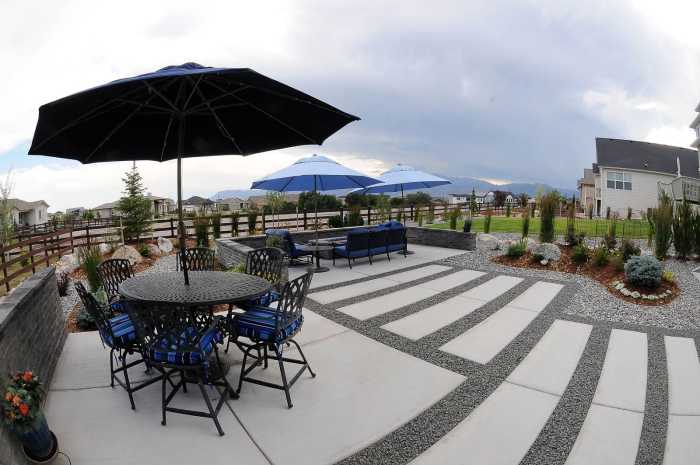
The selection of materials utilized in hardscaping is crucial as it significantly influences both the aesthetic appeal and functionality of outdoor spaces. The right choice can enhance the overall landscape design, ensuring durability and ease of maintenance while contributing to the environment. This section will delve into some of the most common hardscaping materials and explore eco-friendly options that are gaining popularity.
Common Hardscaping Materials
A variety of materials are used in hardscaping, each offering unique advantages in terms of appearance, durability, and maintenance. The following are some of the most frequently used materials:
- Stone: Natural stone, such as granite, limestone, and slate, is prized for its beauty and longevity. It can be used for patios, walkways, and retaining walls, providing a timeless look that blends seamlessly with nature.
- Brick: Known for its classic aesthetic, brick offers a range of colors and textures. Its durability makes it suitable for driveways and pathways, while its thermal mass can help regulate temperatures in outdoor spaces.
- Concrete: Highly versatile, concrete can be molded into various shapes and finishes. It is often used for patios, driveways, and pool decks, and can be stained or stamped to create decorative effects.
The choice of hardscaping materials can dramatically affect the design and usability of outdoor areas. For instance, while stone provides a rustic charm, concrete might be better suited for modern designs due to its adaptability.
Eco-Friendly Hardscaping Options
Increasingly, homeowners and designers are seeking eco-friendly alternatives that not only enhance aesthetics but also promote sustainability. Examples include:
- Recycled Materials: Using reclaimed bricks or concrete pavers minimizes waste and can create a unique look, reflecting history and character in new projects.
- Permeable Pavers: These allow water to seep through, reducing runoff and promoting groundwater recharge. They are especially useful in areas prone to flooding.
- Natural Stone: Sourced responsibly, natural stone has a lower environmental impact compared to manufactured alternatives, and its longevity reduces the need for replacements.
Opting for such materials not only contributes to the environment but also adds distinctive beauty to landscapes.
Impact of Material Choices on Aesthetic and Functionality
The materials chosen for hardscaping can profoundly influence the overall look and usability of a space. Key considerations include:
- Aesthetic Appeal: The color, texture, and style of materials can complement or contrast with existing landscapes, impacting the visual harmony of the area.
- Durability: Selecting materials based on climate conditions ensures longevity; for instance, certain stones withstand harsh weather better than others.
- Maintenance Requirements: Some materials, like concrete, may require less upkeep compared to others, making them more suitable for busy homeowners.
The right material choices not only enhance the visual appeal of outdoor spaces but also ensure they serve their intended purpose efficiently.
Hardscaping Design Considerations
Hardscaping design is a critical aspect of creating outdoor spaces that are not only functional but also aesthetically pleasing. When planning a hardscaping project, various factors must be considered to ensure that the design integrates seamlessly with its surroundings while fulfilling the intended purposes. Below are some key considerations that should guide your hardscaping design process.
Key Factors in Hardscaping Design
To achieve a successful hardscaping project, several important elements must be taken into account. These factors help in organizing space effectively, enhancing visual appeal, and ensuring sustainability.
- Purpose: Define the primary function of the hardscape area, whether it’s for entertainment, relaxation, or functionality.
- Scale: Consider the proportion of hardscaping elements in relation to the overall landscape, ensuring harmony between features.
- Style: Align the design with the architectural style of your home and surrounding structures for a cohesive look.
- Accessibility: Plan pathways and patios to ensure ease of movement, particularly for individuals with mobility challenges.
- Regulatory Standards: Verify local codes and regulations regarding hardscaping materials and structures to ensure compliance.
Integration with Existing Landscaping, Hardscaping services
Integrating hardscaping with existing landscaping is essential for creating a unified outdoor environment. Thoughtful incorporation can enhance the overall aesthetic and functionality of the space.
- Complementary Materials: Use materials that echo the textures and colors of existing plants and structures to enhance visual continuity.
- Flow and Connectivity: Design hardscaping features that connect with existing pathways, gardens, or natural elements, ensuring a smooth transition between spaces.
- Plant Selection: Choose plants that will thrive alongside hardscape features, paying attention to their growth habits, colors, and seasonal changes.
- Zoning: Use hardscaping to create distinct zones within your landscape, such as dining areas, play zones, or tranquil retreats, while maintaining visual coherence.
Importance of Drainage and Soil Stability
Effective drainage and soil stability are crucial for the longevity and functionality of hardscaping elements. Poor drainage can lead to water pooling, erosion, and structural issues.
- Drainage Solutions: Incorporate systems such as French drains, permeable pavers, or grading to direct water away from hardscape features and prevent flooding.
- Soil Assessment: Conduct soil tests to determine stability and load-bearing capacity, which guides the selection of materials and designs.
- Compaction Techniques: Ensure that soil is properly compacted before laying hardscape materials to prevent settling and shifting over time.
- Maintenance Planning: Develop a maintenance plan that addresses drainage system upkeep and periodic soil assessments to sustain the integrity of hardscaping features.
Maintenance of Hardscaping
Maintaining hardscaping is essential for preserving its appearance and functionality over time. Regular upkeep can prevent costly repairs and extend the lifespan of materials. Understanding the specific needs of different hardscaping materials ensures that your outdoor spaces remain beautiful and durable.Various hardscaping materials require tailored maintenance approaches. For example, natural stone, concrete, and pavers each have unique characteristics that dictate how they should be cared for.
Regular inspections for wear and environmental impact can help identify issues early, allowing for timely interventions.
In today’s fast-paced world, the significance of home automation security cannot be overstated, as it offers a streamlined approach to safeguarding your living space. Coupled with a professional approach to deck installation , your home can become not only a haven of comfort but also a secure environment, blending style with safety effortlessly.
Maintenance for Different Hardscaping Materials
Different materials used in hardscaping necessitate specific maintenance strategies to ensure longevity and aesthetic appeal. Here is a comprehensive guide to maintaining some of the most common hardscaping materials:
- Concrete: Regularly clean surfaces using a mild detergent and water. Seal concrete every 1-3 years to prevent staining and cracking. Fill any cracks with concrete filler to prevent further damage, especially in freeze-thaw cycles.
- Pavers: Sweep regularly to remove debris and prevent weed growth. Reseal pavers every 2-3 years to maintain their color and prevent the growth of moss or algae. If pavers shift, level the base and reset them as needed.
- Natural Stone: Clean with a pH-neutral stone cleaner. Reseal every 1-2 years to protect against moisture and stains. Repair any chips or cracks promptly using appropriate stone fillers.
- Bricks: Regularly inspect for cracks and loose joints. Repoint with mortar as necessary and clean using a soft brush or pressure washer on a low setting to avoid damage.
Seasonal Maintenance Tasks for Hardscaped Areas
Maintaining hardscaped areas through seasonal tasks helps to enhance their resilience and visual appeal. Each season presents unique challenges and opportunities for upkeep.
- Spring: Clear debris and leaves from all surfaces. Inspect for winter damage and clean any stains or spills. Reseal surfaces if necessary and replenish joint sand in paver areas to prevent weed growth.
- Summer: Regularly wash hardscaped areas to prevent algae growth. Address any cracks that may have emerged due to heat. An application of insect repellent can help minimize pest issues.
- Autumn: Remove fallen leaves and debris to prevent staining. Prepare surfaces for winter by sealing or applying protective coatings. Ensure drainage pathways are clear.
- Winter: Avoid using de-icing salts on hardscaping materials as they can cause damage. Clear snow promptly to prevent excessive weight and ice formation. Inspect for signs of frost heave and address any drainage issues.
Addressing Common Hardscaping Issues
Common issues in hardscaping, such as cracks and erosion, can arise due to environmental factors or inadequate maintenance. Knowing how to address these problems promptly can save both time and money.
- Cracks: Inspect hardscaping for cracks after harsh weather. For small cracks, use a concrete filler or epoxy, ensuring it is applied according to the manufacturer’s instructions. For larger cracks, consider an expansion joint or professional repair.
- Erosion: Identify areas where soil is being washed away. Use erosion control mats or install drainage systems to redirect water flow. Adding plants or ground cover can also help stabilize the soil.
- Weed Growth: Regularly maintain joint sand in paver areas to deter weeds. Utilize landscape fabric beneath gravel or stone areas to minimize weed intrusion. Hand-pulling weeds is effective for small areas.
- Staining: For stains, identify the source and use appropriate cleaners. For oil stains, absorb excess oil with sawdust or kitty litter and then use a degreaser. Prompt action is crucial to prevent permanent discoloration.
Cost Factors in Hardscaping
The cost of hardscaping services can vary significantly based on a variety of factors that influence the overall pricing structure. Understanding these factors is essential for homeowners and businesses looking to enhance their outdoor spaces. An informed approach to budgeting can prevent unexpected expenses and ensure that the project meets the desired aesthetic and functional goals.Several key elements contribute to the final cost of hardscaping projects.
These factors include the type of materials selected, the complexity of the design, the size of the area being hardscaped, and local labor rates. Additionally, accessibility of the site and any required permits can also affect pricing.
Factors Influencing Hardscaping Costs
Identifying the various factors that influence the cost of hardscaping is crucial for accurate budgeting and planning. The following points Artikel the primary cost drivers:
- Materials: The choice of materials plays a significant role in determining cost. Natural stone, pavers, concrete, and brick have varying price ranges. For instance, natural stone can cost anywhere from $10 to $30 per square foot, while concrete pavers may range from $5 to $15 per square foot.
- Design Complexity: Complex designs that involve intricate patterns or multi-level installations will increase labor and material costs. Simple patios or pathways generally cost less compared to more elaborate landscaping features.
- Size of the Project: Larger areas will naturally require more materials and labor, thus increasing the overall cost. For example, a 300-square-foot patio may cost between $2,500 and $7,500 depending on the factors mentioned above.
- Labor Costs: Local labor rates can vary widely depending on the region and the expertise of the contractors. Urban areas may have higher labor costs compared to rural locations.
- Site Accessibility: If the work area is difficult to access, additional equipment or manpower may be needed, increasing the cost.
- Permits and Regulations: Depending on the project’s scope and local regulations, permits may be required, which can add to the total cost.
Average Costs for Hardscaping Projects
To aid in budgeting, here is a comparison of average costs for common hardscaping projects. These estimates can vary based on specific choices and local pricing but provide a general framework:
| Project Type | Average Cost (per square foot) |
|---|---|
| Patio Installation | $10 – $30 |
| Walkways and Paths | $5 – $15 |
| Retaining Walls | $15 – $25 |
| Driveways | $4 – $12 |
| Fire Pits | $300 – $1,500 (total project cost) |
Budgeting for Hardscaping Projects
Effective budgeting is essential to manage the financial aspects of a hardscaping project. Homeowners should consider not only the initial costs but also potential hidden expenses that may arise during the project.Key budgeting considerations include:
- Contingency Fund: Setting aside 10-20% of the total budget for unforeseen expenses such as additional materials or repairs.
- Long-term Maintenance Costs: Some materials and designs may require more upkeep than others, impacting future expenses.
- Seasonal Prices: Prices can fluctuate based on the season, with peak times often leading to higher costs. Planning for off-peak times can result in savings.
- Consultation and Design Fees: Professional design services can enhance the project but should be factored into the overall budget.
By being aware of these cost factors and planning effectively, homeowners can make informed decisions that align with their vision and budget.
DIY vs. Professional Hardscaping
Hardscaping projects can significantly enhance the aesthetics and functionality of outdoor spaces. Individuals often face the decision of whether to undertake hardscaping tasks themselves or to hire professionals. This section explores the advantages and disadvantages of each option, highlighting the necessary tools and skills for successful DIY projects, along with potential risks that may warrant professional assistance.
Advantages and Disadvantages of DIY and Professional Hardscaping
Determining whether to pursue a DIY approach or enlist professional services involves weighing various factors. Each option has its unique merits and drawbacks:
- Cost Savings: DIY hardscaping can save labor costs, making it a budget-friendly option for homeowners willing to invest their time and effort.
- Personal Satisfaction: Completing a hardscaping project independently can foster a sense of accomplishment and pride in one’s handiwork.
- Creative Control: DIY allows for complete creative freedom, enabling homeowners to design and implement their vision without compromise.
- Skill Development: Engaging in DIY projects can enhance one’s skills and knowledge in landscaping and construction.
- Time Investment: DIY tasks may take longer, particularly for those with limited experience, which can lead to project delays.
- Quality Concerns: Without professional expertise, the quality of work may not meet professional standards, potentially resulting in future issues or repairs.
- Safety Risks: DIY projects can pose safety hazards, especially when using heavy equipment or materials, increasing the risk of injuries.
Essential Tools and Skills for Successful DIY Hardscaping
For homeowners considering a DIY hardscaping project, being equipped with the right tools and skills is crucial. Essential tools include:
- Shovels and Spades: Necessary for digging and moving soil or gravel.
- Level: Ensures surfaces are even and properly graded.
- Rubber Mallet: Useful for positioning stones without causing damage.
- Concrete Mixer: Helpful for mixing cement and other materials for paving.
- Measuring Tape: Important for accurate measurements and layout.
- Safety Gear: Hard hats, gloves, and eye protection are essential for safety during the project.
In addition to tools, relevant skills include basic masonry, layout planning, and an understanding of drainage and grading principles. These competencies contribute to the overall success of DIY hardscaping projects.
Risks Associated with DIY Hardscaping and When to Seek Professional Help
While DIY hardscaping can be rewarding, certain risks may necessitate the involvement of professionals. Key considerations include:
- Structural Integrity: Projects involving retaining walls or large stone installations may require engineering knowledge to ensure structural safety.
- Complex Designs: Intricate designs or large-scale projects often benefit from the expertise of professional landscapers.
- Permits and Regulations: Understanding local building codes and obtaining necessary permits can be challenging for DIYers.
- Time Constraints: Homeowners with busy schedules might find it difficult to allocate sufficient time for a successful DIY project.
- Injury Risks: Improper handling of tools or materials can lead to serious injuries, making professional help a safer choice.
In summary, while DIY hardscaping can provide cost savings and personal satisfaction, it involves significant time investment, potential quality concerns, and safety risks. Homeowners should evaluate their capabilities and the complexity of the project before deciding whether to proceed independently or hire professionals.
Trends in Hardscaping
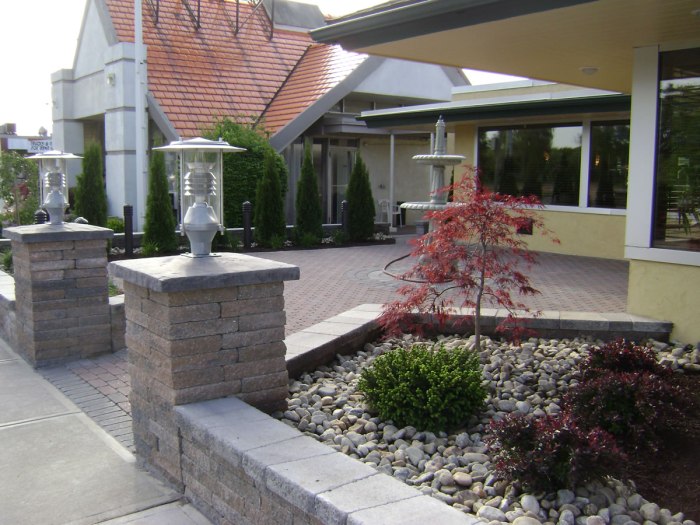
Hardscaping is experiencing a renaissance as homeowners and designers seek to enhance outdoor spaces with innovative materials and thoughtful design. Current trends reflect a blend of functionality and aesthetics, emphasizing the importance of outdoor living as an extension of the home. As technology progresses and consumer preferences evolve, hardscaping continues to adapt, integrating new styles and sustainability practices.The influence of technology on hardscaping services cannot be understated.
Advancements in design software and tools allow for precise planning and visualization of outdoor spaces. Utilizing 3D modeling and augmented reality, homeowners can now see potential designs in real-time before installation begins. These technologies not only streamline the design process but also facilitate communication between clients and contractors.
Current Hardscaping Design Trends
Several notable trends have emerged in the hardscaping industry that reflect contemporary tastes and environmental considerations. These trends emphasize sustainable practices, creativity, and the seamless integration of natural elements:
- Eco-Friendly Materials: The use of sustainable materials such as permeable pavers, recycled concrete, and natural stone is gaining popularity. These materials help reduce environmental impact while enhancing aesthetic appeal.
- Integrated Lighting Solutions: Outdoor lighting designs that incorporate LED technology not only improve safety but also enhance the ambiance of hardscaped areas. Smart lighting systems allow homeowners to control lighting through mobile devices.
- Outdoor Living Spaces: The trend toward creating outdoor kitchens, fire pits, and lounge areas continues to grow. Homeowners are investing in spaces that support social gatherings and relaxation, blurring the lines between indoor and outdoor living.
- Water Features: Incorporating water features such as fountains, ponds, and waterfalls adds a dynamic element to hardscaping. These installations serve both aesthetic and calming purposes, enhancing the outdoor experience.
- Geometric Patterns: Bold geometric designs in patios and walkways are becoming increasingly popular. These patterns can create visually striking landscapes that draw the eye and provide a modern touch to outdoor areas.
Innovative Hardscaping Installations Globally
Around the world, numerous innovative hardscaping installations showcase creativity and functionality. These projects reflect a commitment to sustainability and community engagement, making them exemplary representations of modern hardscaping principles:
- The High Line, New York City, USA: This elevated linear park transformed an unused railway into a vibrant green space featuring unique hardscaping elements, walkways, and seating areas, integrating native plants and art installations.
- Gardens by the Bay, Singapore: This iconic garden includes the Supertree Grove, featuring vertical gardens and a skywalk that merges nature with cutting-edge design. The hardscaping elements complement the lush flora, creating a stunning visual experience.
- Vitra Campus, Germany: Known for its innovative architecture and design, the Vitra Campus features distinct hardscaping that incorporates modern sculptures and paths, demonstrating the synergy between art and landscape architecture.
- Millennium Park, Chicago, USA: This urban park features hardscaping elements such as the Pritzker Pavilion and the “Cloud Gate” sculpture, blending contemporary design with natural landscaping to create an inviting public space.
Final Wrap-Up
In conclusion, hardscaping services are essential for transforming outdoor spaces into functional and beautiful areas that can be enjoyed year-round. Through careful planning and design considerations, the right hardscaping choices can enhance not only the visual appeal of a property but also its practicality. As trends evolve and technology advances, investing in professional hardscaping services ensures that your outdoor area remains stylish and functional for years to come.
Questions Often Asked
What is the difference between hardscaping and landscaping?
Hardscaping refers specifically to the non-plant elements in landscape design, such as patios and walls, while landscaping encompasses both hardscaping and the planting of trees, shrubs, and other vegetation.
How long does hardscaping last?
With proper installation and maintenance, hardscaping materials like stone and concrete can last for decades, making them a long-term investment for outdoor spaces.
Can hardscaping improve drainage in my yard?
Yes, well-designed hardscaping can enhance drainage by directing water flow away from structures and preventing erosion, thus improving the overall health of your landscape.
What are some eco-friendly options for hardscaping?
Eco-friendly hardscaping materials include permeable pavers, recycled bricks, and sustainably sourced stone, which help reduce runoff and promote water conservation.
Is hardscaping suitable for all climates?
Yes, hardscaping can be adapted to suit various climates by selecting appropriate materials and designs that withstand local weather conditions.