With Mulching services at the forefront, we delve into a crucial aspect of landscaping that not only enhances the aesthetic appeal of gardens but also significantly promotes soil health and plant growth. Mulching involves covering the soil with a layer of material, which can be organic or inorganic, to provide various benefits including moisture retention, weed suppression, and temperature regulation.
Understanding the intricacies of mulching services can empower garden enthusiasts to create lush, vibrant outdoor spaces.
From the types of mulch available to the techniques used in application, exploring mulching services reveals a wealth of knowledge that can transform any landscape. The importance of choosing the right mulch, tailored to specific gardening needs, cannot be understated, as it plays a pivotal role in achieving sustainable and thriving gardens.
Introduction to Mulching Services

Mulching services play a crucial role in landscaping by enhancing the aesthetics and health of gardens and landscapes. These services involve the application of various types of mulch—organic or inorganic materials spread on the soil surface—to improve soil structure, retain moisture, suppress weeds, and provide essential nutrients to plants. The practice of mulching is not only beneficial for the appearance of gardens but also for the overall ecological balance.Different types of mulch serve diverse purposes in gardening, each offering unique benefits to soil and plants.
Organic mulches, such as wood chips, bark, straw, and grass clippings, decompose over time, enriching the soil with organic matter. In contrast, inorganic mulches like stones, landscape fabric, or rubber provide long-lasting ground cover without contributing nutrients. Each type of mulch is suitable for specific applications, such as moisture retention in flower beds, temperature regulation for vegetable gardens, or weed suppression in pathways.
Benefits of Mulching Services for Soil Health and Plant Growth
Utilizing mulching services significantly improves soil health and fosters robust plant growth. The following points highlight the key benefits associated with the use of mulch:
- Moisture Retention: Mulch acts as a barrier, reducing evaporation and maintaining soil moisture levels, which is particularly beneficial during dry spells. This helps in sustaining plant health and reducing irrigation requirements.
- Weed Suppression: By blocking sunlight, mulch inhibits the growth of weeds, thereby minimizing competition for nutrients and water. This leads to healthier plants and reduced maintenance efforts for gardeners.
- Soil Temperature Regulation: Mulch insulates the soil, helping to keep it cooler in the summer and warmer in the winter. This temperature moderation creates an optimal environment for plant roots to thrive.
- Nutrient Enhancement: Organic mulches break down over time, adding valuable nutrients back into the soil. This process supports microbial life, which is essential for soil fertility.
- Erosion Control: A layer of mulch protects the soil from the impact of heavy rains, reducing soil erosion and maintaining the integrity of landscaped areas.
“Mulching not only beautifies landscapes but also serves as a vital component in promoting healthy plant ecosystems.”
Types of Mulching Services Offered
Mulching services are essential for maintaining healthy landscapes, gardens, and agricultural areas. They provide numerous benefits, including moisture retention, weed suppression, and soil enhancement. Understanding the different types of mulching services available can assist clients in selecting the best option tailored to their specific needs.Mulch can be classified into two main categories: organic and inorganic. Each type has its distinct characteristics and applications, making it vital to select the most suitable option based on individual requirements.
Organic Mulching Options
Organic mulch is derived from natural materials and offers excellent benefits for soil health. The decomposition of organic mulch enriches the soil with nutrients, promoting better plant growth.
- Bark Mulch: Made from shredded tree bark, this type provides a natural look while suppressing weeds and retaining moisture. It is particularly effective for ornamental gardens.
- Wood Chips: These are larger than bark mulch and can last longer. They are suitable for pathways and tree beds, slowly breaking down to enhance soil quality.
- Straw: An excellent choice for vegetable gardens, straw mulch is lightweight, helps with weed control, and improves soil structure as it decomposes.
- Compost: Not only does compost provide weed suppression, but it also adds essential nutrients back into the soil, making it ideal for flower beds and vegetable patches.
Inorganic Mulching Options
Inorganic mulch includes synthetic materials that do not decompose, providing long-lasting benefits. These options often require less maintenance compared to organic mulches.
- Plastic Mulch: Widely used in commercial agriculture, plastic mulch retains soil warmth and moisture, promoting earlier crop growth while also suppressing weeds effectively.
- Rubber Mulch: Made from recycled tires, rubber mulch does not decompose, making it a sustainable and durable option for playgrounds and landscaping.
- Gravel: Gravel mulch is ideal for xeriscaping, offering excellent drainage and a decorative element to garden beds. It is low maintenance and effective in controlling weeds.
Mulch Application Processes
The application of mulch involves specific processes that ensure its effectiveness in achieving desired outcomes. Proper techniques can maximize the benefits of mulching.
- Site Preparation: Before applying mulch, the area should be cleared of weeds, debris, and existing vegetation to create a clean surface.
- Layering: Mulch should be applied in a uniform layer, generally 2 to 4 inches thick, to provide adequate coverage without smothering plants.
- Watering: After application, watering the mulch can help settle it in place and activate the moisture-retaining properties.
Customization Options for Mulch Types
Customization in mulching services allows clients to choose specific types and colors of mulch to enhance their landscape aesthetics and meet particular functional needs.
- Color Options: Clients can select from various dyed options, such as black, red, or brown mulch, to complement garden designs and personal preferences.
- Texture Variations: Mulch can come in different textures, from fine to coarse, allowing for tailored applications depending on the visual and practical requirements of the landscape.
- Material Selection: Clients can choose the type of organic or inorganic mulch that aligns best with their environmental goals, landscape style, and maintenance capabilities.
Benefits of Mulching
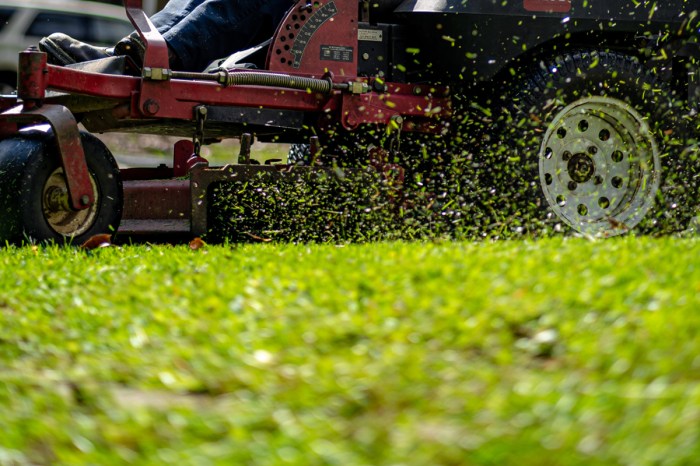
Mulching offers numerous advantages that contribute significantly to both the health of your garden and the environment. By understanding these benefits, property owners can make informed decisions regarding their landscaping needs. This section delves into the environmental benefits of mulching, illustrative examples of enhanced landscape aesthetics, and pertinent research findings.
Environmental Benefits of Mulching
Mulching serves as an effective method for enhancing soil health and promoting sustainable gardening practices. One of the primary advantages of mulching is its ability to suppress weed growth, thereby reducing competition for nutrients and water among desirable plants. Furthermore, mulches play a crucial role in moisture retention by minimizing evaporation from the soil surface, which is particularly beneficial during dry periods.Key Environmental Benefits:
-
Weed Suppression:
A layer of mulch acts as a barrier, preventing sunlight from reaching weed seeds and seedlings, effectively reducing their growth.
-
Moisture Retention:
By covering the soil, mulch retains moisture and reduces the need for frequent watering, promoting a healthier environment for plants.
-
Soil Temperature Regulation:
Mulching helps maintain consistent soil temperatures, protecting roots from extreme heat during summer and cold during winter.
Case Studies on Landscape Aesthetics
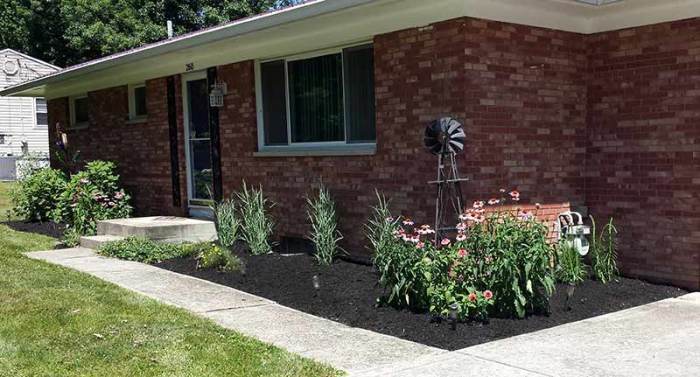
The visual appeal of landscapes can be significantly enhanced through strategic mulching. For instance, a residential property in a suburban area implemented a decorative wood chip mulch in their flower beds. This not only provided a vibrant contrast against the greenery but also improved the overall design element of the yard. The homeowners reported positive feedback from neighbors and an increase in property value.Another example involved a community park where colored rubber mulch was installed around playground areas.
This not only enhanced safety by providing a soft landing surface but also beautified the park, making it a more inviting space for families. Such instances demonstrate that mulching can transform ordinary landscapes into visually appealing environments.
Research Findings on Soil Temperature Regulation
Studies have consistently shown that mulching has a significant impact on soil temperature regulation. Research conducted by the University of Florida found that mulched soil temperatures averaged 5-10 degrees Fahrenheit cooler during peak summer months compared to bare soil. This temperature stability is critical for root development and overall plant health. Moreover, data from agricultural experiments indicate that mulched crops exhibit improved growth rates, yielding better harvests due to the favorable conditions provided by the mulch.
These findings underscore the importance of incorporating mulching practices in landscaping and agricultural settings to promote sustainability and productivity.
Mulching Techniques
Mulching is an essential practice in gardening and landscaping that enhances the health of plants while minimizing maintenance effort. Various mulching techniques can be employed, each with its unique advantages and applications. Understanding these techniques allows gardeners to select the most suitable method for their specific needs.One notable technique is trenching, which involves creating a shallow trench along the rows of plants and filling it with mulch.
This method helps retain moisture and prevent weeds while allowing for easier root growth. On the other hand, sheet mulching combines multiple layers of organic materials to suppress weeds and enrich the soil over time. Both methods can be effective, but the choice depends on the garden’s design and the specific plants being cultivated.
Step-by-Step Guide to Properly Mulch a Garden Bed
Mulching a garden bed properly requires careful preparation and execution. Below is a detailed guide to ensure effective mulching:
1. Choose the Right Mulch
Select mulch that suits your plants and purpose—organic materials like wood chips, straw, or grass clippings are ideal for moisture retention and nutrient enhancement.
2. Prepare the Area
Clear the garden bed of any weeds, rocks, or debris, and loosen the soil to promote aeration.
3. Water the Soil
Before applying mulch, adequately water the soil to ensure that plants have access to moisture.
4. Apply the Mulch
Spread a layer of mulch approximately 2-4 inches thick around the plants, ensuring that it is not piled against the stems or trunks to avoid rot.
5. Maintain the Mulch
Regularly check and replenish mulch as needed, especially after heavy rains or winds, to maintain its effectiveness.
Comparison of Mulching Techniques
To aid in selecting the best mulching technique, the following table compares the effectiveness of various methods.
| Technique | Benefits | Drawbacks | Best Use |
|---|---|---|---|
| Trenching | Effective moisture retention and weed suppression | Time-consuming preparation | Row crops and vegetable gardens |
| Sheet Mulching | Suppresses weeds and enriches soil | Requires multiple layers and resources | New garden beds and permaculture systems |
| Organic Mulching | Improves soil fertility as it decomposes | May attract pests if not maintained | Flower beds and vegetable gardens |
| Inorganic Mulching | Long-lasting and low maintenance | Does not improve soil health | Decorative areas and pathways |
Utilizing the appropriate mulching technique can significantly enhance the growth and health of plants while minimizing the gardener’s workload. Each method has its unique set of advantages and ideal applications, making it essential to assess the specific needs of the garden before implementation.
Cost Considerations
When planning for mulching services, understanding the cost factors involved is crucial. The overall expense can vary significantly based on several elements, including the type of materials used and the size of the area to be mulched. By gaining insight into these considerations, clients can make informed decisions that align with their budgets.Several factors influence the pricing of mulching services.
Ensuring the safety of your home is paramount, and seeking professional assistance through home security consulting can provide tailored solutions to address your specific needs. By evaluating your property, experts can recommend effective measures that enhance your security. Additionally, integrating technology into your home through home automation security allows for seamless monitoring and control, ensuring a comprehensive approach to safety.
The choice of material is paramount, as different types of mulch—such as organic options like wood chips or bark, versus inorganic options like rubber mulch—come with varying costs. Additionally, the area to be covered is another significant determinant; larger spaces will naturally incur higher labor and material costs. Seasonal demands, local market rates, and the complexity of the installation also play roles in setting the final price.
Average Costs for Different Types of Mulching Services
Understanding the average costs associated with various mulching services can aid in budgeting effectively. Below is a breakdown of typical charges related to different types of mulching:
| Type of Mulch | Average Cost per Cubic Yard | Typical Installation Cost |
|---|---|---|
| Wood Chips | $30 – $50 | $50 – $100 |
| Bark Mulch | $40 – $70 | $60 – $120 |
| Rubber Mulch | $60 – $100 | $70 – $130 |
| Compost Mulch | $20 – $40 | $40 – $90 |
These figures represent average market rates but may vary based on geographical location and specific service providers.
Budgeting Tips for Mulching Projects
When preparing a budget for mulching services, it is advantageous for clients to consider several strategies to ensure their project stays within financial limits. Factors to contemplate include:
- Assessing Area Size: Measure the total area before soliciting quotes to obtain accurate estimates.
- Material Selection: Choose mulch types that meet both aesthetic and economic needs; organic mulches usually offer better value in the long run.
- Comparing Quotes: Obtain multiple quotes from different service providers to ensure competitive pricing.
- Timing the Project: Scheduling mulching during off-peak seasons may lead to reduced labor costs.
- Planning for Maintenance: Factor in the ongoing maintenance costs associated with different mulch types to gauge long-term expenses.
By following these guidelines, clients can effectively manage their mulching budgets while achieving the desired outcomes for their landscaping projects.
In today’s fast-paced world, the importance of home automation security cannot be overstated. By automating various security features, homeowners can enjoy peace of mind knowing their properties are monitored around the clock. To further bolster this safety net, engaging with a specialist in home security consulting provides personalized recommendations tailored to enhance the overall security framework of your residence.
Maintenance and Longevity of Mulch: Mulching Services
Maintaining mulch is essential to ensure its effective performance over time. Proper maintenance not only preserves the aesthetic appeal of landscaped areas but also maximizes the functional benefits of mulch, such as moisture retention and weed suppression. Understanding how to care for mulch will help prolong its life and effectiveness.To maintain mulch, regular monitoring and specific upkeep practices are required.
This includes checking for the thickness of the mulch layer, replenishing it as necessary, and keeping it free of debris. The frequency of replenishment can depend on several factors, including the type of mulch used, weather conditions, and the specific environment in which it is applied.
Replenishment and Replacement of Mulch
Mulch should be replenished or replaced periodically to maintain its effectiveness. The recommended frequency for replenishment is typically every 6 to 12 months, but this can vary depending on the material used and environmental factors. Signs that indicate mulch needs replenishment include:
- Thickness reduction: When the mulch layer has diminished significantly, it may no longer provide adequate weed suppression or moisture retention.
- Color fading: Natural mulch materials can lose their color over time, indicating degradation that affects both appearance and functionality.
- Decomposition: If the mulch begins to break down into the soil, it may be time to add a new layer to maintain its benefits.
- Weed growth: An increase in weed presence can signal that the mulch is no longer effective and needs replacement.
Challenges in Mulch Maintenance
Common challenges faced in mulch maintenance include pest infestations, mold growth, and erosion. Addressing these challenges is crucial for sustaining mulch’s benefits and longevity.
- Pest infestations: Organic mulch can attract insects and other pests. Implementing pest management strategies, such as using beneficial nematodes or natural repellents, can help mitigate this issue.
- Mold growth: Excess moisture and poor air circulation can lead to mold. Ensuring proper drainage and not over-watering mulch areas can help prevent this problem.
- Erosion: Severe weather conditions can wash away mulch. Using heavier mulching materials or adding edging can help maintain mulch in place.
“Proper maintenance and timely replenishment of mulch are key to sustaining its longevity and effectiveness.”
Environmental Impact of Mulching
Mulching services not only enhance the aesthetic appeal of gardens and landscapes but also play a crucial role in promoting environmental sustainability. By utilizing organic and inorganic materials as mulch, gardeners contribute to healthier ecosystems and foster biodiversity. This section delves into the various ecological benefits of mulching, highlighting its significance in creating a sustainable landscape.
Role of Mulch in Promoting Biodiversity
Mulch serves as a habitat for various organisms, including beneficial insects, earthworms, and microorganisms, all of which contribute to a thriving ecosystem. The diversity of life supported by mulched areas enhances soil health and vitality. Key benefits include:
- Soil Improvement: As organic mulch decomposes, it enriches the soil with nutrients, creating a hospitable environment for a diverse range of plant and animal species.
- Habitat Creation: Mulch provides shelter and food for various species, increasing the biodiversity within garden and landscape environments.
- Pollinator Support: Well-mulched gardens attract pollinators, such as bees and butterflies, vital for plant reproduction and ecosystem balance.
Sustainable Landscaping Contributions
Mulching practices contribute significantly to sustainable landscaping by minimizing resource use and reducing environmental impact. These practices include:
- Water Conservation: Mulch helps retain soil moisture, reducing the need for frequent watering and ensuring plants receive sufficient hydration.
- Weed Suppression: By blocking sunlight, mulch inhibits weed growth, decreasing the need for chemical herbicides and promoting a more natural gardening approach.
- Carbon Sequestration: Organic mulches, as they decompose, help sequester carbon in the soil, mitigating climate change effects.
Ecological Benefits of Using Organic Mulches
Organic mulches, derived from natural materials such as wood chips, straw, and grass clippings, offer a range of ecological advantages that support both plants and the surrounding environment. Key benefits include:
- Soil Fertility: Organic mulches enrich the soil as they break down, providing essential nutrients that enhance plant growth and health.
- Microbial Activity: The decomposition of organic materials encourages microbial life, which is crucial for nutrient cycling and soil structure improvement.
- Enhanced Soil Structure: Mulching can improve soil aeration and drainage, creating a better environment for root development and overall plant health.
“Using organic mulch not only nourishes plants but also supports the intricate web of life within the soil, fostering a rich and diverse ecosystem.”
Choosing a Mulching Service Provider
Selecting a reliable mulching service provider is crucial to ensuring that your landscaping needs are met effectively and efficiently. A reputable provider not only supplies quality mulch but also offers expertise in installation and maintenance. The right company can have a significant impact on the aesthetics and health of your garden or landscape.When evaluating potential mulching service providers, several criteria should be considered to ensure you choose a trustworthy and competent company.
It is essential to assess their experience, qualifications, and customer service approach.
Criteria for Selecting a Reliable Provider
The following criteria can help you identify a reliable mulching service provider:
- Experience and Expertise: Look for providers with several years of experience in the industry, as this often correlates with a deeper understanding of different mulching techniques and materials.
- Certifications and Insurance: Ensure that the provider is certified and insured, protecting you from potential liabilities during the service.
- Portfolio of Work: Review their previous projects to gauge their quality of work and to see if their style aligns with your vision.
- Customer Service: Evaluate their responsiveness and willingness to address your questions and concerns before making a commitment.
The Importance of Reviews and Recommendations
Customer reviews and recommendations are critical in the decision-making process. Positive feedback from past clients can provide insights into the reliability and quality of the service.
- Online Reviews: Platforms like Google, Yelp, and social media can provide authentic customer experiences that highlight strengths and weaknesses.
- Word of Mouth: Personal recommendations from friends or family can offer trustworthy insights and help you feel more confident in your choice.
- Professional Associations: Membership in professional organizations often indicates a commitment to best practices and industry standards.
Comparison of Local vs. National Companies, Mulching services
When choosing between local and national mulching service companies, it’s important to weigh the pros and cons of each option.
- Local Companies: Typically offer personalized service, as they are more familiar with the regional landscape and soil conditions. Their proximity often results in quicker response times and flexibility in scheduling.
- National Companies: May provide more extensive resources and a wider range of services due to their larger scale. However, they can sometimes lack the personal touch and local knowledge that smaller companies possess.
“Choosing a mulching service provider involves careful consideration of experience, customer feedback, and the scale of operations to ensure you receive quality service tailored to your needs.”
Concluding Remarks
In conclusion, the implementation of Mulching services is an investment in the long-term health and beauty of any garden or landscape. By understanding the various types of mulch, their benefits, and the techniques involved, clients can make informed decisions that will yield impressive results. With proper maintenance and a thoughtful approach, mulching not only enhances the environment but also contributes significantly to the overall sustainability of landscaping efforts.
Answers to Common Questions
What types of mulch are available?
Mulch types include organic options like wood chips, straw, and leaves, as well as inorganic options such as rubber mulch and gravel.
How often should mulch be replenished?
Mulch typically needs to be replenished every 1 to 2 years, depending on the type used and environmental factors.
Can mulching help with pest control?
Yes, certain types of mulch can deter pests by creating a barrier and providing habitat for beneficial insects.
Is there a best time of year to apply mulch?
The best time to apply mulch is in the spring after the frost has passed, or in the fall to protect soil during winter.
How thick should mulch be applied?
A general guideline is to apply mulch in a layer 2 to 4 inches thick for optimal effectiveness.