Landscape architect services play a crucial role in shaping our surroundings, seamlessly integrating nature with urban spaces to create aesthetically pleasing and functional environments. These professionals are not only adept at designing beautiful landscapes but also focus on sustainability, environmental health, and community needs.
By understanding the intricate relationship between architecture and nature, landscape architects develop innovative solutions for residential, commercial, and public spaces. Their expertise ensures that outdoor areas are designed to be both inviting and environmentally responsible, making them essential partners in modern property development.
Importance of Landscape Architect Services
Landscape architecture plays a crucial role in enhancing the aesthetics, functionality, and sustainability of outdoor spaces. As urban areas expand and evolve, the demand for professional landscape architect services has become increasingly vital. These experts not only design outdoor environments but also integrate various elements that contribute to the overall well-being of communities and ecosystems.The role of landscape architects extends far beyond mere beautification.
They are integral to urban planning and design, ensuring that spaces are used effectively while considering ecological impacts. By collaborating with other professionals, such as urban planners, architects, and engineers, landscape architects create cohesive environments that promote connectivity, accessibility, and harmony with nature.
Role of Landscape Architects in Urban Planning and Design
Landscape architects contribute significantly to urban planning by focusing on the arrangement and design of outdoor spaces to foster community engagement and environmental stewardship. Their multifaceted approach includes:
- Site Analysis: Landscape architects conduct detailed assessments of the land, taking into account its topography, soil quality, and existing vegetation, which informs sustainable design practices.
- Design Development: They translate the analysis into functional designs that balance aesthetics and usability, ensuring that public and private spaces serve their intended purposes effectively.
- Regulatory Compliance: These professionals navigate zoning laws and environmental regulations, helping clients achieve compliance while maximizing the potential of their developments.
- Community Involvement: Landscape architects often engage with local communities to gather input, ensuring that designs reflect the needs and desires of residents.
Environmental Benefits of Professional Landscape Architecture
The environmental advantages offered by professional landscape architecture are profound and far-reaching. By implementing thoughtful design, landscape architects help mitigate ecological challenges and enhance biodiversity. The key benefits include:
- Stormwater Management: They design landscapes that facilitate natural drainage, reducing runoff and minimizing flooding risks.
- Habitat Restoration: Landscape architects work on projects that restore native habitats, promoting biodiversity and supporting local wildlife.
- Carbon Sequestration: By selecting appropriate plant species, they contribute to carbon capture, thus combating climate change.
- Improved Air Quality: Green spaces designed by landscape architects enhance air quality by filtering pollutants and producing oxygen.
Key Factors Making Landscape Architect Services Essential for Property Development
The integration of landscape architect services in property development is essential due to several key factors that influence not only the success of a project but also its sustainability and community impact:
- Increased Property Value: Well-designed landscapes can significantly enhance the market value of properties, making them more appealing to potential buyers and investors.
- Enhanced User Experience: Thoughtfully designed outdoor spaces foster positive experiences for users, encouraging social interaction and physical activity.
- Compliance with Sustainability Goals: Many developers seek to meet sustainability certifications; landscape architects help achieve these through eco-friendly design principles.
- Long-term Cost Efficiency: Investing in professional landscape design can lead to reduced maintenance costs and lower water usage through efficient resource planning.
Types of Landscape Architect Services
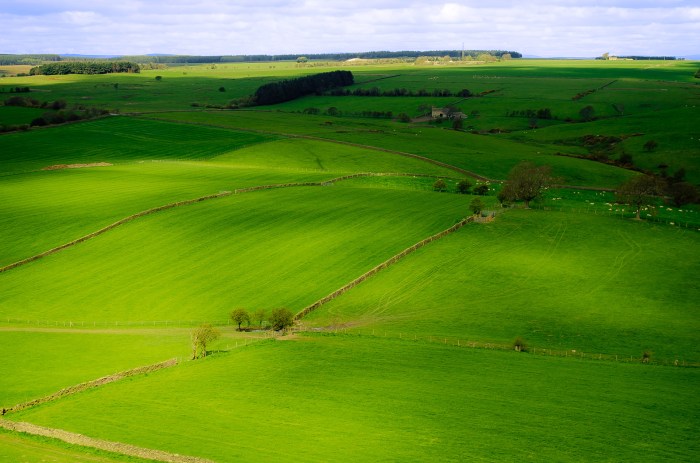
Landscape architecture encompasses a diverse range of services tailored to meet the specific needs of residential, commercial, and public spaces. Each sector requires a unique approach, emphasizing the role of landscape architects in enhancing aesthetics, functionality, and environmental sustainability.
Residential Landscape Design Services, Landscape architect services
Residential landscape design services focus on creating outdoor spaces that reflect personal style while maximizing usability and beauty. These services often include:
- Site Analysis: Understanding the specific characteristics of the property, such as topography, soil type, climate, and existing vegetation, to inform design decisions.
- Garden Design: Crafting personalized garden layouts that may incorporate native plants, seasonal flowers, and functional areas such as vegetable gardens or flower beds.
- Hardscape Design: Designing non-plant elements like patios, walkways, retaining walls, and decks, which complement the landscape and provide usable outdoor spaces.
- Irrigation Planning: Developing efficient irrigation systems that ensure the sustainability of the landscape while conserving water resources.
- Lighting Design: Implementing outdoor lighting solutions to enhance safety and create ambiance for evening use of the space.
Commercial Landscape Architecture Services
Commercial landscape architecture services cater to businesses and organizations, aiming to enhance their operational environment and public image. Key services include:
- Site Planning: Developing comprehensive plans that integrate landscape design with site layout, ensuring optimal use of space while considering regulatory requirements.
- Corporate Campus Design: Creating cohesive landscapes for corporate environments that promote employee well-being and reflect the company’s brand identity.
- Urban Design: Collaborating on urban projects that involve streetscapes, plazas, and public transportation areas, focusing on accessibility and aesthetic appeal.
- Sustainable Practices: Implementing green solutions such as green roofs, rain gardens, and native plantings that support biodiversity and reduce environmental impact.
Public Space and Parks Design Services
Public space and parks design services aim to create inclusive, functional, and aesthetically pleasing environments for community use. These services typically encompass:
- Park Planning: Developing master plans for parks that include recreational facilities, pathways, seating areas, and natural features, catering to diverse community needs.
- Playground Design: Designing safe and engaging playgrounds that are accessible to children of all abilities, promoting physical activity and social interaction.
- Environmental Restoration: Focusing on rehabilitating degraded landscapes, restoring ecosystems, and promoting biodiversity through informed planting and maintenance strategies.
- Community Engagement: Involving community stakeholders in the design process to ensure that public spaces reflect the values and needs of the population they serve.
The Landscape Design Process
The landscape design process is a comprehensive and systematic approach that transforms an outdoor space into a functional and aesthetically appealing environment. By integrating natural elements with human needs, landscape architects create designs that enhance the quality of life and the environment. Understanding the steps involved in this process is essential for achieving successful outcomes in any landscape project.One of the key components of the landscape design process is thorough site analysis.
This critical step involves evaluating the characteristics of the site, including topography, soil quality, climate, existing flora and fauna, and human usage patterns. By analyzing these factors, landscape architects can make informed decisions that respect the natural environment while addressing the specific needs and desires of the client.
Steps in the Landscape Design Process
The landscape design process typically consists of several essential steps that guide the development of a project from concept to completion. Each step builds upon the previous one, ensuring a holistic and cohesive design. The following Artikels these fundamental steps:
- Site Analysis: This initial step involves gathering data about the site, including geographical features, climate conditions, and existing vegetation, to inform the design decisions.
- Conceptual Design: In the conceptual phase, initial design ideas are sketched out, incorporating elements such as layout, plant selection, and functional zones to fulfill the client’s vision.
- Design Development: This step refines the conceptual design, detailing materials, plant species, and features to create a comprehensive plan for implementation.
- Documentation: Detailed drawings, specifications, and reports are prepared to guide construction, including installation methods and maintenance guidelines.
- Implementation: This phase involves the actual construction of the landscape, where plans are executed and adjustments may be made based on on-site conditions.
- Maintenance Planning: Ongoing maintenance strategies are developed to ensure the longevity and health of the landscape, addressing potential challenges in plant care and site upkeep.
Importance of Site Analysis in Landscape Architecture
Site analysis is a cornerstone of effective landscape architecture. It provides the foundational understanding necessary for creating designs that are not only beautiful but also sustainable and functional. The following points highlight the significance of site analysis:
- Environmental Considerations: Understanding the ecological balance of the site helps prevent disruption to local ecosystems and promotes biodiversity.
- Site-Specific Solutions: Analysis allows for tailored designs that address unique site challenges, such as drainage issues or soil composition, ensuring the success of the landscape.
- Regulatory Compliance: Identifying zoning laws and environmental regulations during site analysis aids in avoiding legal issues during the design and implementation stages.
- Client Satisfaction: By incorporating the client’s preferences with site realities, a more satisfying and usable landscape can be developed.
Techniques Used in Creating Landscape Designs
Various techniques are employed by landscape architects to create innovative and functional designs. These techniques blend artistic creativity with practical applications, resulting in landscapes that serve their intended purpose effectively.The following techniques are commonly utilized:
- Sketching and Model Making: Initial ideas are often expressed through hand-drawn sketches or physical models, allowing for a tangible representation of concepts.
- Computer-Aided Design (CAD): Advanced software tools are used to create precise digital representations of the landscape, facilitating adjustments and enhancements before physical implementation.
- 3D Visualization: This technique enables clients to see realistic representations of the planned landscape, helping them understand the spatial relationships and visual impact of the design.
- Plant Selection Techniques: Careful selection of plant species based on growth habits, seasonal changes, and ecological compatibility is crucial for creating a sustainable landscape.
- Geographic Information Systems (GIS): GIS technology aids in analyzing spatial data, which can be invaluable for larger projects that require detailed mapping and analysis.
Sustainability in Landscape Architecture
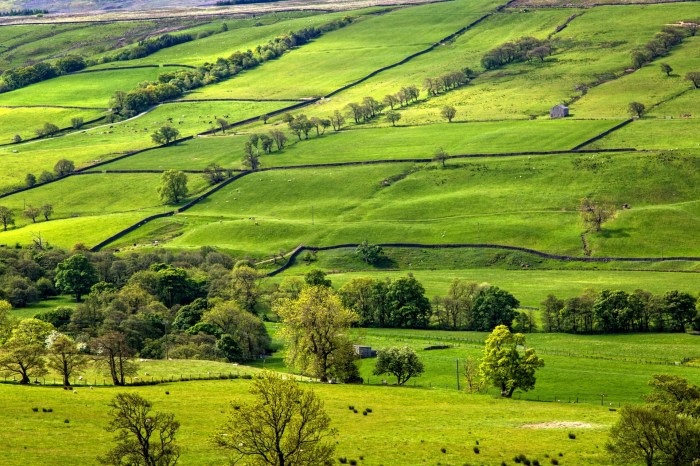
The integration of sustainable practices in landscape architecture has gained significant importance as communities strive to create environments that not only enhance aesthetic appeal but also support ecological balance. Sustainable landscape design seeks to minimize environmental impact while maximizing resource efficiency, promoting biodiversity, and enhancing the quality of life for inhabitants. By adopting eco-friendly methodologies, landscape architects play a pivotal role in shaping sustainable urban and rural spaces.One effective method for incorporating sustainability in landscape design is the use of water-efficient irrigation systems, such as drip irrigation and rainwater harvesting.
These systems significantly reduce water waste and promote responsible water management. Additionally, the implementation of permeable paving materials allows for natural water absorption, reducing runoff and enhancing groundwater recharge.
Eco-friendly Materials in Landscape Architecture
The selection of materials in landscape architecture significantly influences the sustainability of a project. Utilizing eco-friendly materials not only reduces the carbon footprint but also complements the natural environment. Below are examples of materials commonly used in sustainable landscape projects:
- Recycled Materials: Items such as recycled concrete, bricks, and glass can be repurposed for pathways, walls, and decorative elements, minimizing waste and the need for new resources.
- Locally Sourced Stone: Using stone and materials sourced from local quarries reduces transportation emissions and supports local economies, thereby contributing to environmental sustainability.
- Bamboo: This fast-growing, renewable material is often used in garden structures and furnishings due to its strength and sustainability.
- Compost and Organic Mulch: Utilizing compost or organic mulch not only enriches soil health but also reduces the need for chemical fertilizers, promoting a healthier ecosystem.
Significance of Native Plants in Sustainable Landscaping
Native plants are a cornerstone of sustainable landscaping due to their natural adaptability to the local environment. They require less water, fewer fertilizers, and minimal maintenance compared to non-native species, which often require additional resources to thrive. Incorporating native plants not only conserves water but also supports local wildlife, offering habitats and food sources for various species.The strategic use of native vegetation can also improve soil quality and reduce erosion, leading to healthier landscapes.
Additionally, these plants are often more resistant to pests and diseases, reducing the need for chemical interventions. Some notable examples of native plants include:
- Echinacea purpurea (Purple Coneflower): Attracts pollinators and is drought-resistant.
- Asclepias tuberosa (Butterfly Weed): Supports monarch butterflies and other pollinators.
- Rudbeckia hirta (Black-eyed Susan): Provides vibrant color and is adaptable to various soil types.
In summary, the practice of sustainability in landscape architecture is not only essential for environmental conservation but also enhances aesthetic and functional aspects of outdoor spaces. By thoughtfully incorporating sustainable practices, eco-friendly materials, and native plants, landscape architects can create landscapes that are resilient, beautiful, and beneficial to both people and the planet.
Challenges Faced by Landscape Architects

Landscape architects encounter a variety of challenges throughout their projects, which can impact both the design process and the overall success of the project. Understanding these challenges is essential for developing effective strategies to address them, ensuring that landscape architecture can thrive in diverse environments.One of the primary challenges faced by landscape architects is navigating site-specific constraints, which can include topography, soil conditions, and existing vegetation.
Additionally, regulatory restrictions and budget limitations often impose further hurdles. The landscape architect must skillfully balance the artistic and functional aspects of design while adhering to these constraints.
For those looking to enhance their home security on a budget, exploring DIY home security systems can be a rewarding endeavor. These systems allow you to customize your security setup according to your specific needs, making it both cost-effective and efficient. By investing time in a DIY approach, homeowners can achieve a secure environment tailored to their preferences.
Common Challenges Encountered
Various challenges may arise during landscape architecture projects, including:
- Environmental Regulations: Compliance with local, state, and federal regulations can limit design options and introduce additional complexities.
- Budget Constraints: Financial limitations can restrict the materials, plants, and technologies available for use, necessitating creative solutions.
- Site Limitations: Each site presents unique conditions such as soil quality, drainage issues, and existing features that can affect design feasibility.
- Stakeholder Expectations: Balancing the desires of clients, community members, and other stakeholders can lead to conflicting priorities.
- Climate Variability: Adapting designs to local climate conditions and anticipating future changes can complicate project planning.
Strategies to Overcome Design Constraints
To successfully navigate the challenges associated with landscape architectural projects, several strategies can be employed:
- Thorough Site Analysis: Conducting comprehensive assessments of site conditions helps identify limitations early in the design process, allowing for informed decision-making.
- Innovative Design Solutions: Utilizing creative design approaches, such as green infrastructure or ecological restoration, can help address site-specific challenges while enhancing aesthetics and functionality.
- Effective Communication: Maintaining open lines of communication with clients and stakeholders ensures that expectations are aligned and facilitates collaborative problem-solving.
- Flexible Design Approaches: Adopting adaptable design strategies can allow for modifications as new information arises or project conditions change.
Impact of Climate Change on Landscape Architecture Projects
Climate change presents significant challenges for landscape architects, influencing both the design process and the long-term sustainability of projects. The anticipated effects of climate change include increased temperatures, altered precipitation patterns, and more frequent extreme weather events. These changes necessitate a proactive approach to design, focusing on resilience and sustainability. Key considerations for landscape architects in the face of climate change include:
- Plant Selection: Choosing native and drought-resistant plant species can enhance ecosystem resilience and minimize water usage.
- Stormwater Management: Implementing sustainable drainage systems, such as bioswales and permeable surfaces, can reduce flooding and improve water quality.
- Microclimate Design: Understanding how to manipulate microclimates through vegetation placement and shading can mitigate the impacts of extreme heat.
- Education and Awareness: Promoting community engagement and education about sustainable practices can foster a collective response to climate challenges.
In conclusion, landscape architects must address a variety of challenges and adapt to the ever-evolving environmental landscape. By employing effective strategies and innovative design solutions, they can overcome obstacles and create sustainable, resilient landscapes that benefit both people and the planet.
Technology in Landscape Architecture
The integration of technology into landscape architecture has transformed the way professionals plan, design, and manage outdoor spaces. Advancements in software tools and modeling techniques have enhanced the efficiency and precision of landscape design processes, allowing architects to create more sustainable and visually appealing environments. This section explores the technological tools employed in landscape architecture, the significance of 3D modeling and visualization, and the contributions of Geographic Information Systems (GIS) technology.
Software Tools Commonly Used by Landscape Architects
Landscape architects utilize various software tools that aid in design, visualization, and project management. These tools facilitate the creation of detailed plans and allow for the simulation of environmental factors. The following are key software applications frequently used in the field:
- AutoCAD: A widely used tool for drafting and designing landscape plans, AutoCAD allows architects to create precise 2D and 3D drawings.
- SketchUp: Known for its user-friendly interface, SketchUp enables quick modeling of landscapes and structures, making it easier to visualize designs in three dimensions.
- Adobe Creative Suite: Tools like Photoshop and Illustrator are essential for creating presentation graphics, enhancing design presentations through visual storytelling.
- LANDCAD: Specifically designed for landscape architecture, LANDCAD offers specialized features that streamline the design process, including site planning and grading.
- Revit: This Building Information Modeling (BIM) software supports collaborative design processes and integrates structural and landscape elements seamlessly.
The Role of 3D Modeling and Visualization in Landscape Design
D modeling and visualization have become indispensable facets of landscape architecture. These technologies allow landscape architects to present their designs in realistic formats, enhancing client comprehension and engagement. Through three-dimensional representations, clients can visualize spaces as they would appear in real life, leading to more informed decision-making. The benefits of 3D modeling and visualization include:
- Enhanced communication of design concepts to stakeholders through realistic renderings.
- Improved identification of potential design flaws early in the planning process.
- The ability to experiment with various design elements and materials before implementation.
- Increased ability to simulate environmental impacts, including sunlight and water flow.
The Contribution of GIS Technology to Landscape Architecture
Geographic Information Systems (GIS) technology plays a pivotal role in landscape architecture by providing spatial data analysis and management capabilities. GIS allows landscape architects to analyze geographical data, enabling informed decisions about site selection, terrain analysis, and ecological impact assessments.The advantages of incorporating GIS technology into landscape architecture are substantial, as Artikeld below:
- Data Integration: GIS can integrate multiple data layers, including topography, vegetation, and infrastructure, providing a comprehensive view necessary for effective planning.
- Site Analysis: By assessing various environmental factors, GIS helps architects determine the most suitable locations for projects based on natural and human-made constraints.
- Environmental Impact Evaluation: GIS facilitates the assessment of potential environmental impacts, ensuring that designs comply with sustainability standards and regulations.
- Community Engagement: Visualizing data in map form can assist in communicating project benefits and impacts to the community, fostering transparency and collaboration.
Case Studies in Landscape Architecture
The field of landscape architecture encompasses a diverse range of projects that illustrate the profound impact of design on the environment and community. Successful landscape architecture projects not only enhance aesthetic appeal but also promote sustainability, functionality, and ecological integrity. By examining notable case studies, we can appreciate the innovative design principles that guide landscape architects in transforming spaces.
Project: High Line Park, New York City
The High Line Park is a prominent example of adaptive reuse in landscape architecture. Originally an elevated railway, this project has been transformed into a vibrant public park. The design principles employed include:
- Ecological Restoration: The project involved the preservation of existing plant species and the introduction of native flora to enhance biodiversity.
- Community Engagement: Extensive public involvement shaped the design, leading to features that cater to local needs and preferences.
- Integration with Urban Environment: The park seamlessly connects various neighborhoods, creating a green corridor that promotes walking and cycling.
The successful execution of the High Line Park demonstrates how innovative design can revitalize urban spaces, fostering community interaction while promoting ecological sustainability.
Project: Millennium Park, Chicago
Millennium Park serves as a testament to the transformative power of landscape architecture in urban design. This public park combines art, architecture, and landscape design, featuring renowned installations like Cloud Gate and the Crown Fountain. Key design principles include:
- Public Art Integration: The incorporation of artistic elements creates a dynamic experience, enhancing the cultural value of the space.
- Green Infrastructure: The park employs sustainable practices, including rainwater harvesting and native planting strategies to manage stormwater effectively.
- Social Spaces: The design prioritizes gathering areas that encourage community interaction and cultural events, fostering a sense of belonging.
Millennium Park exemplifies how thoughtful landscape architecture can create inclusive public spaces that serve both ecological and social functions.
Comparison of Approaches: Urban Parks vs. Natural Reserves
When contrasting urban parks with natural reserves, the approaches taken by landscape architects differ significantly, reflecting the unique challenges and goals of each type of project.
- Urban Parks: These projects often focus on maximizing space utility, incorporating amenities like playgrounds, sports facilities, and event spaces. The design is heavily influenced by community needs and urban aesthetics.
- Natural Reserves: In contrast, landscape architects emphasize conservation and ecological integrity. Designs prioritize habitat preservation and natural landscape restoration, often utilizing minimal intervention approaches to maintain ecological balance.
This comparison highlights the versatility of landscape architecture, showcasing how diverse design principles can be applied to meet varying environmental and social contexts. Through these case studies, we gain insight into the essential role of landscape architects in shaping our built and natural environments, demonstrating the potential to enhance quality of life and promote sustainability.
Future Trends in Landscape Architecture
As the field of landscape architecture evolves, emerging trends are shaping the way landscapes are designed, implemented, and maintained. The integration of technology, sustainability practices, and community engagement are becoming increasingly vital in addressing contemporary challenges and enhancing the livability of urban and rural environments. Understanding these trends helps landscape architects to innovate and create resilient, functional spaces that meet the needs of diverse communities.
Emerging Trends in Landscape Architecture and Design
Several key trends are currently influencing landscape architecture, reflecting broader societal shifts and environmental concerns. These trends focus on enhancing ecological health, improving urban resilience, and fostering community connections.
Video doorbells have become an essential feature for modern homes, providing homeowners with a convenient way to monitor visitors at their doorstep. Integrating a video doorbell enhances security by allowing real-time communication and recording, ensuring peace of mind whether at home or away. This technology is an excellent addition to any security system, complementing other safety measures effectively.
- Green Infrastructure: The incorporation of green roofs, rain gardens, and permeable pavements is becoming prevalent to manage stormwater, reduce urban heat, and enhance biodiversity.
- Native Plant Landscaping: Utilizing native plants in designs is gaining traction as they require less maintenance and provide essential habitats for local wildlife.
- Smart Technology Integration: The use of smart sensors and automation in landscape management allows for efficient resource use and real-time monitoring of environmental conditions.
- Pollinator-Friendly Designs: Creating landscapes that support pollinators through diverse plantings and habitat provision is increasingly recognized for its ecological importance.
Impact of Urbanization on Future Landscape Projects
Urbanization is significantly reshaping the landscape architecture landscape, leading to various demands and challenges that must be addressed by professionals in the field. The rapid growth of urban areas necessitates innovative design strategies to accommodate population increases while maintaining quality of life.
- High-Density Green Spaces: Urban parks and recreational areas are being designed with multifunctional spaces to serve the needs of larger populations within smaller footprints.
- Reclamation of Underutilized Spaces: Creative solutions for transforming vacant lots and abandoned urban areas into vibrant public spaces are becoming essential.
- Infrastructure Resilience: Landscape architects are focusing on designs that enhance the resilience of urban infrastructure against climate change impacts such as flooding and heatwaves.
- Enhanced Mobility Solutions: Integrating pedestrian and cycling pathways into urban designs promotes sustainable transportation options and encourages community interaction.
Growing Importance of Community Engagement in Landscape Design
The role of community engagement in landscape architecture is increasingly recognized as fundamental to the design process. Engaging with community stakeholders ensures that designs reflect the needs, values, and aspirations of those who will use the spaces.
- Collaborative Design Workshops: Involving community members in workshops allows for direct input into the design process, fostering a sense of ownership and investment in the project.
- Feedback Mechanisms: Utilizing surveys and public forums to gather feedback helps to refine designs and ensure they resonate with community expectations.
- Educational Initiatives: Encouraging public understanding of landscape architecture through educational programs enhances community appreciation for the environment and design principles.
- Long-Term Stewardship: Engaging the community in the ongoing maintenance of landscapes fosters stewardship and a deeper connection to public spaces.
Last Recap
In conclusion, landscape architect services are integral to enhancing our built environments while promoting sustainability and ecological balance. As they navigate challenges and embrace technological advancements, these professionals will continue to lead the charge towards creating spaces that are not only visually stunning but also harmoniously integrated with nature.
General Inquiries
What qualifications do landscape architects need?
Landscape architects typically require a degree in landscape architecture and must be licensed to practice in their respective regions.
How long does a landscape architecture project take?
The duration of a project varies based on its complexity, but it generally ranges from a few weeks to several months.
Can landscape architects work on residential projects?
Yes, landscape architects frequently design residential gardens, yards, and outdoor spaces tailored to the client’s preferences and needs.
What is the role of technology in landscape architecture?
Technology, including software tools and GIS, plays a significant role in enhancing design accuracy, visualization, and project management.
How do landscape architects contribute to sustainability?
They incorporate eco-friendly materials, native plants, and sustainable practices into their designs to promote environmental health.