Fire pit installation serves as a delightful focal point for any outdoor space, offering warmth and ambiance that enhances the joy of gatherings. These versatile structures come in various designs, from portable models to permanent installations, catering to different aesthetic preferences and functional needs. The benefits of incorporating a fire pit into your backyard range from creating an inviting atmosphere to providing a practical source of heat during cooler evenings.
As you embark on your fire pit installation journey, it is essential to understand the preparation involved, the different types available, and the safety considerations that ensure a successful setup. With proper planning and execution, you can transform your outdoor area into a cozy retreat that invites relaxation and enjoyment.
Overview of Fire Pit Installation
A fire pit serves as a focal point in outdoor living spaces, providing warmth and ambiance for gatherings, relaxation, and culinary experiences. It enhances the overall aesthetic of a backyard while promoting social interactions among family and friends, making outdoor spaces more inviting and functional. Fire pits come in various designs and functionalities, suited to different preferences and outdoor configurations.
The primary types of fire pits include wood-burning, gas, and propane fire pits. Each type offers unique characteristics and benefits, allowing homeowners to select the ideal option based on usage, maintenance, and aesthetic appeal.
Types of Fire Pits Available for Installation
Understanding the different types of fire pits is essential for selecting the right one that fits your lifestyle and outdoor space. Here are the main categories of fire pits:
- Wood-Burning Fire Pits: These traditional fire pits utilize wood logs as fuel, providing an authentic campfire experience. They require more maintenance, including regular cleaning of ash and ensuring proper ventilation.
- Gas Fire Pits: Equipped with a gas line, these fire pits offer convenience and instant ignition. They produce a consistent flame and are easier to control, making them ideal for those who prefer a low-maintenance option.
- Propane Fire Pits: Utilizing propane tanks, these fire pits provide portability and flexibility in placement. They are similar to gas fire pits but do not require a direct gas line, making them suitable for locations without natural gas access.
- Tabletop Fire Pits: These smaller, portable options can be placed on tables or outdoor surfaces. They are perfect for intimate settings and add warmth without taking up significant space.
- Chimineas: A chiminea is a freestanding outdoor fireplace that features a chimney. It provides good heat distribution and a cozy atmosphere while reducing smoke exposure to sitting areas.
The benefits of having a fire pit in your backyard extend beyond mere aesthetic enhancement. A well-installed fire pit can transform your outdoor space into a versatile area for entertainment, relaxation, and culinary activities.
“A fire pit creates not just warmth but also connections, fostering memories and experiences around the flames.”
The presence of a fire pit can increase the usability of outdoor areas year-round, serving as a gathering point for intimate family evenings or larger social events. It can also boost property value by adding a desirable feature that appeals to potential buyers. Overall, a fire pit is a worthwhile investment in enhancing the enjoyment and functionality of your outdoor space.
Preparing for Fire Pit Installation
Before embarking on the installation of a fire pit, it is essential to undertake thorough preparation. This phase not only ensures a successful installation but also promotes safety and compliance with local regulations. Understanding the key factors and gathering the necessary materials will pave the way for an enjoyable outdoor experience.
Key Factors to Consider Before Installation
Several critical factors must be evaluated to ensure the fire pit is installed safely and effectively. These considerations include:
- Location: Choose a flat, stable surface away from overhanging branches, structures, or flammable materials.
- Size: Determine the size of the fire pit based on available space and intended use, ensuring it fits comfortably within the outdoor area.
- Type of Fire Pit: Decide whether to install a permanent, semi-permanent, or portable fire pit, considering your lifestyle and needs.
Necessary Tools and Materials for Installation
Having the right tools and materials is crucial for a smooth installation process. Below is a list of commonly required items:
- Tools:
- Shovel for digging the foundation
- Level to ensure an even surface
- Concrete mixer for permanent installations
- Trowel for finishing touches
- Materials:
- Bricks, stones, or pavers for the fire pit structure
- Fire pit ring to contain the flames
- Gravel for drainage
- Sand for leveling the base
Local Regulations and Safety Codes Related to Fire Pits
Compliance with local regulations and safety codes is vital for fire pit installations to ensure both safety and legal adherence. Fire pit regulations vary by region; thus, it is essential to consult municipal guidelines and codes before proceeding. Key considerations include:
- Permits: Some areas may require permits for outdoor fire features.
- Distance from Structures: Regulations may stipulate minimum distance requirements from homes and neighboring properties.
- Material Safety: Use of certain materials may be restricted to prevent excessive smoke or hazardous emissions.
“Always prioritize safety and compliance to enjoy a worry-free fire pit experience.”
Installation Methods
The installation of a fire pit can vary significantly in complexity and methodology depending on the chosen design and structure. Understanding the various installation methods is essential to ensure a safe and successful setup that aligns with the aesthetic and functional requirements of your outdoor space. This segment will detail the step-by-step process for creating a permanent fire pit, compare inground and above-ground options, and Artikel the necessary safety precautions to follow during installation.
Step-by-Step Process for Installing a Permanent Fire Pit
Installing a permanent fire pit involves several stages, each requiring careful planning and execution. The following steps Artikel the process for constructing a durable and safe fire pit:
1. Select a Location
Choose a level area away from overhanging branches and combustible materials. Ensure the site complies with local regulations.
2. Gather Materials
Acquire the necessary materials, which may include fire bricks, retaining wall blocks, sand, gravel, and a steel fire pit ring.
3. Mark the Artikel
Use stakes and string to Artikel the shape and size of the fire pit, taking into account your desired dimensions.
4. Excavate the Area
Dig out the marked area to a depth of approximately 6-12 inches, depending on the design.
5. Create a Base
Add a 2-3 inch layer of gravel to the bottom, which provides drainage and stability.
6. Lay the First Layer of Blocks
Position the first row of fire bricks or blocks around the perimeter. Ensure they are level and securely placed.
7. Build Upwards
Continue adding layers, staggering the joints for strength. The height of the fire pit can vary, but 12-24 inches is common.
8. Add a Fire Ring
Investing in outdoor security cameras can significantly enhance the safety of your property. These cameras provide real-time monitoring, allowing homeowners to keep an eye on their surroundings. Additionally, pairing them with reliable home alarm systems creates a comprehensive security solution, ensuring that any potential threats are swiftly addressed.
Insert a steel fire ring at the top for added safety and longevity.
9. Finish with a Capstone
Consider adding a capstone for a finished look, which can also serve as additional seating.1
0. Backfill and Clean-Up
Backfill around the fire pit and clean the area of any debris.
Comparison of Inground and Above-Ground Fire Pits
The choice between inground and above-ground fire pits significantly affects the overall design, usability, and aesthetics of your outdoor space. Each method offers unique benefits and considerations:
Inground Fire Pits
Design and Stability
Typically offers a more permanent and aesthetically pleasing look, blending naturally with the landscape.
Heat Retention
The surrounding earth helps retain heat, making it more effective for warmth.
Safety Hazards
Requires less supervision due to lower height, reducing the risk of accidental contact.
Above-Ground Fire Pits
Portability
Easier to relocate, allowing flexibility in outdoor design.
Variety of Designs
Available in numerous styles and materials, accommodating various decor themes.
Installation Simplicity
Often requires less excavation and is simpler to install, making it ideal for DIY projects.While inground fire pits provide a sophisticated and integrated outdoor feature, above-ground options offer versatility and ease of use.
Safety Precautions During Installation
Ensuring safety during the installation of a fire pit is paramount to prevent accidents and ensure compliance with local regulations. The following safety precautions should be strictly adhered to:
Check Local Regulations
Consult local building codes and fire safety regulations before commencing installation to ensure compliance.
Wear Protective Gear
Use gloves, goggles, and a dust mask during excavation and installation to protect yourself from debris and dust.
Maintain Distance from Structures
Keep the fire pit at least 10-20 feet away from any structures, trees, or flammable materials.
Install on Level Ground
Ensure the fire pit is installed on a flat, stable surface to prevent tipping or accidents.
Test for Stability
After installation, check the structure for stability and ensure all materials are securely placed.
Enhancing your home’s safety is paramount, and one effective way to achieve this is through home alarm systems. These systems not only alert you to intrusions but also can be integrated with outdoor security cameras for a complete security network. Together, they provide peace of mind, ensuring your home is protected around the clock.
Educate Users
Inform family and guests about fire pit safety, including how to use it responsibly and the importance of keeping flammable items away.By following these installation methods and safety precautions, you can create a safe, functional, and aesthetically pleasing fire pit that enhances your outdoor living space.
Choosing the Right Location
Selecting the appropriate location for your fire pit is crucial to ensure safety, functionality, and enjoyment. A well-chosen site enhances the overall experience while minimizing the risk of accidents or negative impacts on your surroundings. By considering specific factors, you can create an inviting space that is both beautiful and safe.When determining the best location for your fire pit, several criteria should be taken into account.
These factors include the distance from structures, vegetation, and the influence of wind direction. Each plays a vital role in establishing a safe and enjoyable environment.
Distance from Structures and Vegetation
Maintaining an appropriate distance from nearby structures and vegetation is essential for fire pit safety. It is recommended to follow these guidelines to mitigate potential hazards:
- Minimum Distance from Buildings: Position your fire pit at least 10 to 20 feet away from any buildings, fences, or other permanent structures. This distance helps prevent heat damage and potential fire hazards.
- Vegetation Clearance: Ensure that your fire pit is at least 10 feet from trees, shrubs, or any flammable vegetation. This safeguard minimizes the risk of fire spreading to combustible materials.
- Underground Utilities: Check for any underground utilities in the area where you plan to install your fire pit. This helps avoid potentially hazardous situations during installation.
The safety of the site is paramount, as proximity to flammable materials can lead to dangerous situations. It is advisable to create a clear, designated area free from debris and flammable items surrounding the fire pit.
Importance of Wind Direction
Wind direction significantly influences the placement of your fire pit. Understanding prevailing winds in your area can help in creating a more enjoyable and safer experience. Consider the following points regarding wind direction:
- Prevailing Winds: Observe the typical wind patterns in your region. Positioning the fire pit downwind from your seating area ensures that smoke does not blow directly into your face, enhancing comfort.
- Seasonal Variations: Be mindful that wind patterns can change with the seasons. Consider how wind direction may affect your fire pit experience during different times of the year.
- Safety Measures: Avoid placing the fire pit in areas where wind gusts could carry sparks towards flammable structures or vegetation. Adequate distance and thoughtful placement can prevent unforeseen risks.
By taking wind direction into account, you can enhance the comfort and safety of your fire pit area. Place seating and other amenities away from the path of smoke, ensuring a pleasant atmosphere for gatherings.
“Choosing the right location for your fire pit is not just about aesthetics; it is a fundamental aspect of ensuring safety and enjoyment.”
Maintenance and Safety: Fire Pit Installation
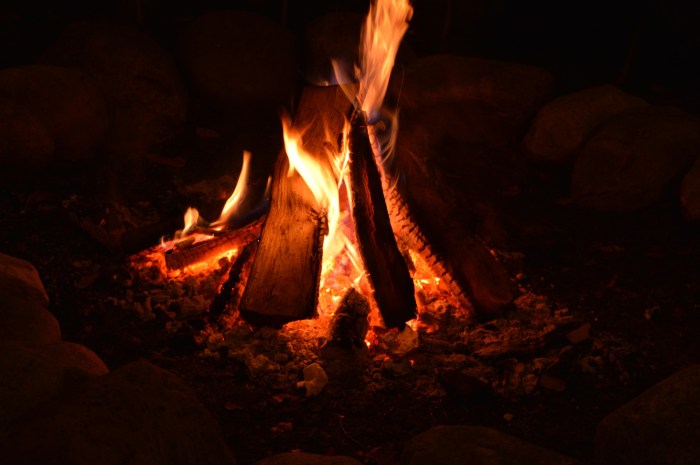
Maintaining a fire pit and adhering to safety protocols are essential for ensuring a safe and enjoyable experience. Regular maintenance helps to prolong the lifespan of the fire pit, while safety measures protect you and your surroundings from potential hazards.
Routine Maintenance Tasks
To keep a fire pit in optimal condition, several routine maintenance tasks should be performed regularly. These tasks not only enhance the functionality of the fire pit but also ensure that it remains safe to use.
- Clean the Fire Pit: Regularly remove ashes and debris from the fire pit to prevent buildup, which can impede airflow and create harmful conditions. It is advisable to clean the fire pit after every use.
- Inspect for Damage: Periodically check the fire pit for signs of wear and tear, such as cracks, rust, or corrosion. Addressing these issues promptly can prevent further damage.
- Check Gas Lines: If using a gas fire pit, inspect gas lines and connections for leaks. A soap solution can be applied to connections; bubbles indicate a leak that requires immediate attention.
- Protect from Elements: Use a cover to protect the fire pit from rain, snow, and debris when not in use. This helps minimize rust and damage caused by moisture.
Safety Measures for Fire Pit Use
Implementing safety measures is crucial when using a fire pit to prevent accidents and injuries. Adhering to these guidelines ensures a safer environment for all users.
- Maintain a Safe Distance: Ensure that the fire pit is located at least 10 feet away from structures, overhanging branches, and other flammable materials to reduce fire risk.
- Extinguish Properly: Always fully extinguish the fire after use. Use water or a fire extinguisher to douse the flames and ensure all embers are out.
- Supervise the Fire: Never leave a fire pit unattended, especially around children and pets. Always have a responsible adult present to monitor the fire.
- Keep Fire Extinguishing Materials Handy: Always have a bucket of water, sand, or a fire extinguisher available to quickly control any flare-ups.
Proper Firewood Selection and Storage
Selecting the right firewood and storing it properly can greatly enhance your fire pit experience. The quality of the wood affects the heat produced and the amount of smoke generated.
- Choose Seasoned Wood: Use firewood that has been seasoned for at least six months. Seasoned wood burns more efficiently, produces less smoke, and provides more heat.
- Avoid Softwoods: While softwoods like pine ignite easily, they produce more creosote and can lead to chimney fires. Opt for hardwoods such as oak, maple, or hickory for a cleaner burn.
- Store Firewood Correctly: Store firewood in a dry, ventilated area off the ground to prevent moisture accumulation. Use a cover to shield it from rain while allowing airflow.
“Proper maintenance and safety measures are crucial to ensuring a pleasant and secure fire pit experience.”
Enhancing Your Fire Pit Experience
Creating a memorable experience around your fire pit involves more than just its installation; it encompasses the right accessories, landscaping, and seating arrangements that foster a welcoming atmosphere. By carefully considering these elements, you can elevate the overall ambiance of your outdoor space and make your fire pit a central hub for gatherings and relaxation.
Accessories for Fire Pit Enhancement
To enhance your fire pit experience, consider several accessories that can improve both functionality and enjoyment. These additions not only provide convenience but also create a more inviting atmosphere.
- Fire Pit Covers: Protects your fire pit from the elements when not in use, ensuring longevity.
- Seating Cushions: Adds comfort to your seating arrangements, encouraging longer gatherings.
- Fire Pit Tools: Essential tools like pokers and shovels help manage the fire safely and effectively.
- Outdoor String Lights: Creates a magical ambiance in the evenings, enhancing the visual appeal of your space.
- Portable Tables: Useful for holding food and drinks, allowing for a more comfortable experience while enjoying the fire.
- Marshmallow Roasting Kits: Encourages fun activities around the fire, suitable for both children and adults.
Landscaping Ideas for Fire Pit Areas
Incorporating landscaping around your fire pit can greatly enhance its aesthetic appeal and functionality. Thoughtful landscaping not only complements the fire pit but also defines the space, creating a cozy retreat.
- Native Plants: Using drought-resistant native plants can create a landscape that is both beautiful and sustainable.
- Pathways: Stone or gravel pathways leading to the fire pit can guide guests and provide a defined area.
- Seating Walls: Constructing low walls using stone or bricks creates additional seating and a visual barrier that enhances privacy.
- Decorative Gravel: Filling the surrounding area with decorative gravel can improve drainage and add texture to the landscape.
- Fire-Safe Plants: Incorporate fire-resistant plants such as lavender or succulents to ensure safety while enhancing beauty.
Seating Arrangements Around a Fire Pit
A well-thought-out seating arrangement can significantly impact the fire pit experience. The right design fosters conversation and ensures everyone can enjoy the warmth and glow of the fire.
- Curved Seating: Arranging seating in a semi-circle around the fire pit promotes conversation and provides an equal view of the flames.
- Adirondack Chairs: These classic, comfortable chairs are perfect for long evenings by the fire. They offer a relaxed seating option.
- Built-in Benches: Incorporating built-in benches around the fire pit can accommodate larger groups while saving space.
- Movable Furniture: Utilizing lightweight, portable seating allows for flexibility in arrangement based on the event or gathering size.
- Outdoor Rugs: Placing rugs in the seating area can enhance comfort and define the space, making it feel more inviting.
Troubleshooting Common Issues
When enjoying a fire pit, encountering issues can detract from the overall experience. Understanding the common problems and their solutions is essential for maintaining functionality and safety. This section addresses typical fire pit challenges and provides effective resolutions to ensure an enjoyable outdoor experience.
Common Problems and Solutions
Fire pits may encounter a variety of issues that can affect their performance. Identifying these problems early can help in resolving them swiftly. Below are prevalent issues and their corresponding solutions:
- Difficulty in Ignition: If the fire pit struggles to ignite, ensure that the fuel source is sufficient and that the ignition system is functioning correctly. Check for any blockages in the burner’s path.
- Flames Too Low or High: If the flames are not at the desired height, verify the gas pressure settings or adjust the air-to-fuel ratio. In wood-burning pits, check the type of wood used, as some woods burn hotter than others.
- Uneven Heat Distribution: Uneven heating can occur if the fire pit is clogged with ash or debris. Regular cleaning and maintenance can help alleviate this issue.
- Smoke and Odor Concerns: Excessive smoke can indicate poor ventilation or damp wood. Ensuring that the wood is completely dry and using proper ventilation can mitigate this problem.
Fire Pit Performance Issues
Performance issues can significantly impact the efficiency and enjoyment of a fire pit. It is crucial to recognize and address these problems promptly. Below are key performance issues and potential remedies:
- Insufficient Heat Output: If the fire pit does not generate enough heat, examine the fuel supply, ensure the burner is clean, and adjust the airflow if applicable.
- Frequent Extinguishing of Flames: This may occur due to wind conditions or inadequate fuel. Using windbreaks and ensuring ample fuel can help maintain a steady flame.
- Rust and Corrosion: Fire pits made from metal can develop rust over time. Applying a high-temperature paint or sealant can protect the material from corrosion and extend its lifespan.
Addressing Smoke and Odor Concerns, Fire pit installation
Smoke and odor can detract from the enjoyment of a fire pit experience. Taking proactive steps can help in managing these concerns effectively. Consider the following tips:
- Choosing the Right Wood: Opt for seasoned hardwoods that burn cleaner and produce less smoke compared to softwoods or unseasoned logs.
- Maintaining Proper Airflow: Ensure that the fire pit has adequate ventilation to allow smoke to escape. Avoid overcrowding the fire with logs, as this can restrict airflow.
- Utilizing Smokeless Fire Pits: Investing in modern designs that feature advanced combustion systems can significantly reduce smoke and odor emissions, providing a more pleasant environment.
Addressing common fire pit issues promptly not only enhances performance but also ensures a safer and more enjoyable outdoor experience.
End of Discussion
In conclusion, fire pit installation offers a myriad of benefits, from enhancing your outdoor experience to acting as a gathering spot for family and friends. By following the guidelines for preparation, installation, and maintenance, you can ensure that your fire pit remains a safe and enjoyable feature of your home for years to come. Embrace the warmth and charm that a fire pit brings, and create lasting memories in your backyard oasis.
FAQ Overview
What materials are best for building a fire pit?
Common materials include stone, brick, and metal, each offering unique aesthetics and durability.
How deep should a fire pit be?
A fire pit should typically be at least 12 inches deep to provide a safe and effective burning area.
Do I need a permit for fire pit installation?
Permit requirements vary by location, so it’s advisable to check with local regulations before installation.
Can I use my fire pit during high wind conditions?
It is not recommended to use a fire pit in high winds as this can increase the risk of fire spreading.
What type of firewood should I use in my fire pit?
Hardwoods like oak and maple are ideal as they burn longer and produce less smoke compared to softwoods.